Chickpea and Broccoli Stalk Pesto Recipe

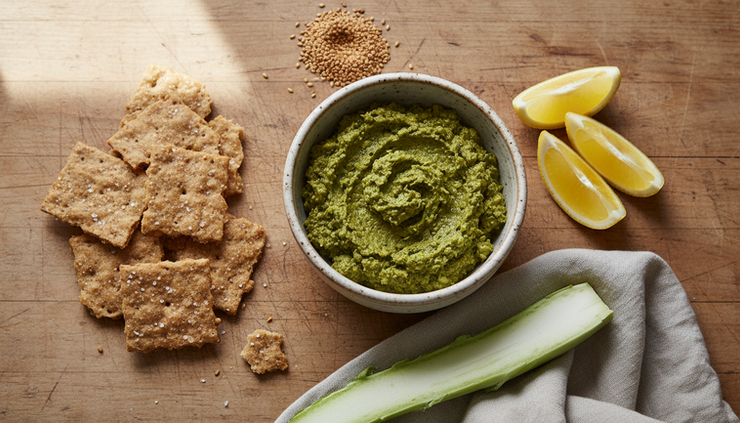
Broccoli florets get all the applause, while the stalk sits on the cutting board like the understudy who knows every line. Good news, that stalk has range. With chickpeas, garlic, lemon, olive oil, and toasted sesame seeds, it turns into a creamy, bright, snackable pesto that deserves its own tiny standing ovation.
This is not classic basil pesto, and it is not trying to be. It is thicker, heartier, and more spreadable, like hummus wandered into a garden and came back wearing a green jacket. Use it on sandwiches, crackers, pasta salads, grain bowls, or as a side dish with roasted vegetables. It is simple, low-waste, and very happy to live in your fridge for a few days.
Why broccoli stalks make excellent pesto
Broccoli stalks are often treated like kitchen clutter, but they are mild, slightly sweet, and surprisingly tender once peeled and cooked. The tough outer layer is the only real troublemaker. Remove it, and the inside cooks into something soft enough to blend.
The stalk also brings a gentle green flavor without shouting, “I am broccoli!” from the rooftops. That makes it perfect for pesto, especially when paired with chickpeas. Chickpeas add body and creaminess, so you get a spread that feels satisfying without needing cheese or nuts.
This recipe is also a smart way to cut food waste. If you already used the florets in stir-fry, soup, sheet-pan dinners, or pasta, the stalk can become tomorrow’s lunch hero. Not bad for the bit you almost tossed.
The humble broccoli stalk is basically the Clark Kent of vegetables. Peel off the tough exterior, and suddenly, it is saving dinner.
Ingredients you will need
This recipe keeps things short and friendly. No treasure hunt through specialty stores required.
1 broccoli stalk, about 110 grams cleaned
240 grams canned chickpeas, drained
1 clove garlic
3 tablespoons olive oil
Salt, to taste
Juice of 1/2 lemon, freshly squeezed
2 teaspoons toasted sesame seeds
A few quick notes before blending begins:
Use canned chickpeas for ease. Drain them well so the pesto does not turn watery. If you cooked chickpeas from dried, those work too.
Toast the sesame seeds if they are not already toasted. A quick minute or two in a dry skillet wakes up their nutty flavor. Do not wander away, sesame seeds go from “golden and lovely” to “campfire incident” faster than expected.
Start light with the salt. Canned chickpeas can vary, and the broccoli stalk is boiled in salted water. Taste after blending, then adjust.

How to make chickpea and broccoli stalk pesto
This recipe comes together quickly, especially if your hand blender is within reach and not hiding in the back of a cabinet like a kitchen goblin.
Prepare the broccoli stalk
Remove the hard outer layer from the broccoli stalk. A vegetable peeler works well, but a small knife can help if the skin is especially thick.
Cut the peeled stalk into pieces. They do not need to be beautiful. This is a blender recipe, not a vegetable beauty pageant.
Bring a small pot of salted water to a boil. Add the broccoli stalk pieces and cook until tender. The pieces should be easy to pierce with a fork.
Drain the cooked stalk, then immediately cool it in cold water. This helps stop the cooking and keeps the flavor fresh. Drain again well.
Blend the pesto
Add the cooked broccoli stalk to a bowl or blending container. Add the drained chickpeas, chopped garlic, olive oil, lemon juice, and toasted sesame seeds.
Blend everything with a hand blender until it turns into a thick pesto. Stop and scrape down the sides as needed. If it feels too thick for your taste, add a small splash of cold water or a little more olive oil.
Taste, then add salt until the flavors pop. The lemon should make it bright, the chickpeas should make it creamy, and the garlic should politely announce itself without taking over the room.

Ways to serve this pesto
This pesto is wonderfully flexible. It is thick enough to spread, soft enough to dollop, and flavorful enough to make plain food feel like it put on shoes and left the house.
Try it as:
A spread for sandwiches or wraps
A topping for crackers or toasted bread
A side dish with roasted vegetables
A creamy base for grain bowls
A dressing for pasta salad
A dip for carrot sticks, cucumber slices, or pita chips
For pasta salad, thin the pesto with a spoonful of pasta water, olive oil, or lemon juice before tossing. It coats pasta better that way and does not clump like it is holding a grudge.
For sandwiches, pair it with sliced tomato, roasted peppers, grilled zucchini, turkey, chicken, or crisp lettuce. It also plays nicely with feta or fresh mozzarella if you want a richer lunch.
Storage tips and easy tweaks
Keep the pesto in the refrigerator until ready to serve. Store it in an airtight container and smooth the top with the back of a spoon. A thin drizzle of olive oil over the surface can help keep it fresh-looking.
It can be stored for several days in the fridge. Give it a stir before serving, since thicker spreads can settle a bit.
Want to change the flavor? Go for it. Pesto is forgiving, like a friend who does not judge your snack dinner.
A few easy tweaks:
Add a handful of parsley for a greener flavor.
Use lime juice instead of lemon for a sharper twist.
Add a pinch of chili flakes for heat.
Blend in a spoonful of tahini for extra sesame flavor.
Sprinkle more toasted sesame seeds on top for crunch.

The tastiest way to rescue a broccoli stalk
This chickpea and broccoli stalk pesto is proof that leftovers do not have to feel like leftovers. One broccoli stalk, one can of chickpeas, and a few pantry staples become a creamy, lemony, garlicky spread with plenty of personality.
Next time the florets disappear into dinner, save the stalk. It has plans.


Comments