How to Make Your Tan Last Longer After the Beach

That beach glow always seems to disappear faster than it arrived. One week you’re bronzed, the next your skin looks dull, dry, and patchy. Annoying, right?
Your holiday glow doesn’t have to vanish the moment you step back through your front door. With the right skincare routine and a few simple habits, you can make your tan last longer, keeping your skin feeling hydrated, silky smooth, and naturally sun-kissed without needing to expose yourself to more sun.
A quick note before we get into it: a tan is still a sign your skin has reacted to UV exposure, so don’t skip sunscreen to “build color.” The goal here is to care for the color you already have while keeping your skin as healthy as possible.
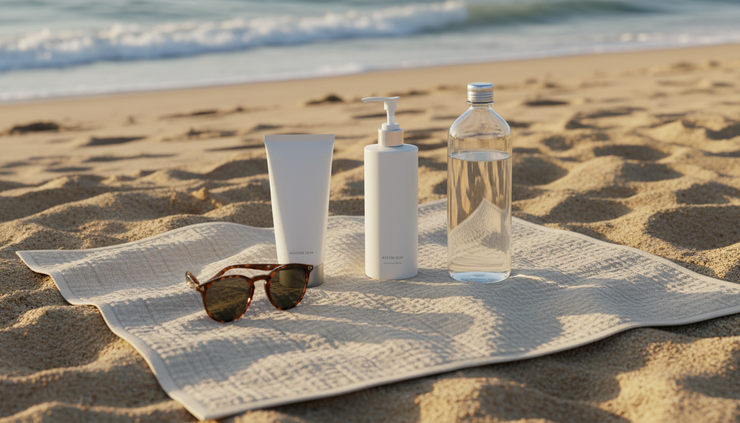
Start moisturizing as soon as you leave the sun
If there’s one habit that makes the biggest difference, it’s moisture. Sun, salt water, chlorine, wind, and heat all pull hydration from your skin. When skin gets dry, it starts to flake and peel. Once that dead surface layer sheds, your tan goes with it.
So don’t wait until your skin feels tight. After a beach or pool day, shower gently, pat your skin dry, and apply a moisturizing lotion, cream, oil, or after-sun product while your skin is still slightly damp. That helps seal in water and keeps the surface smooth.
Look for formulas that feel soothing and comfortable on your skin. Ingredients like aloe, glycerin, hyaluronic acid, shea butter, and lightweight plant oils are common in hydrating body care. You don’t need anything fancy. You just need to use it consistently.
For best results, moisturize:
Right after showering
Before bed
In the morning if your skin feels dry
After swimming or spending time outdoors
Your legs, arms, shoulders, and chest usually need extra attention because they get the most sun. Don’t forget areas that flake easily, like elbows, knees, ankles, and the tops of your feet.
Take cooler showers and keep them short
A hot shower feels amazing after a long day outside, but it can make dry skin even drier. Hot water strips away natural oils, which can leave your skin feeling tight and rough. That roughness makes your tan look uneven.
You don’t have to suffer through cold showers. Just keep the water lukewarm and don’t stay in longer than you need to. Use a gentle body wash instead of anything harsh or overly fragranced, especially if your skin is already sun-kissed or sensitive.
After showering, skip aggressive towel drying. Pat your skin instead of rubbing it. It sounds small, but rubbing can loosen dry patches and make peeling worse.
Think of your post-sun shower as part of your tan-preserving routine, not just a rinse-off.

Don’t skip exfoliation completely
This is where a lot of people get confused. If exfoliation removes dead skin, wouldn’t it remove your tan faster?
Not if you do it gently.
A tan fades as your skin naturally renews itself. If you completely avoid exfoliation, dead skin can build up on the surface. That can make your color look dull, grayish, or uneven. Gentle exfoliation helps smooth the skin so your tan looks more even and radiant.
The key word is gentle.
Skip rough scrubs, stiff brushes, strong acids, and anything that leaves your skin red or stinging. About once a week, use a mild exfoliating wash, a soft cloth, or a very gentle body polish. Use light pressure and focus on areas that get dry or patchy.
Be extra careful with:
Shoulders
Chest
Shins
Knees
Elbows
Ankles
If your skin is sunburned, irritated, or peeling, don’t exfoliate. Moisturize, let it calm down, and give it time. Scrubbing peeling skin won’t save the tan. It’ll just make your skin more irritated and uneven.
Drink water like your skin depends on it
Moisturizer helps from the outside, but your skin also needs hydration from the inside. When you’re out in the sun, sweating, swimming, or having salty snacks, it’s easy to get a little dehydrated without noticing.
Water won’t magically lock in a tan by itself, but it supports skin that looks softer and more supple. When your skin is well hydrated, it tends to look fresher. When you’re dehydrated, skin can look dull and feel tight.
Keep it simple. Sip water through the day, especially after spending time in the heat. If plain water bores you, try adding lemon, cucumber, mint, berries, or a splash of unsweetened juice.
You can also get fluids from foods with high water content, like:
Watermelon
Cucumber
Strawberries
Oranges
Lettuce
Cantaloupe
A good rule of thumb is to pay attention to how you feel. Dry lips, headaches, dark urine, and sluggishness can all be signs that you’re not drinking enough.
Eat foods that support glowing skin
What’s on your plate can be part of your skin care routine. It won’t replace sunscreen or moisturizer, but certain nutrients support skin health and can help your complexion look brighter.
Beta-carotene is one nutrient people often connect with a warm, healthy-looking glow. Your body converts beta-carotene into vitamin A as needed, and it’s found in plenty of colorful produce.
Good options include:
Carrots
Sweet potatoes
Spinach
Kale
Cantaloupe
Apricots
Red peppers
Healthy fats also matter. Your skin barrier needs lipids to stay comfortable and resist dryness. Add foods like nuts, seeds, avocado, olive oil, and oily fish if they fit your diet.
Antioxidant-rich foods are helpful too, since sun exposure can contribute to oxidative stress in the skin. Berries, leafy greens, tomatoes, citrus, and colorful vegetables are easy choices.
You don’t need a perfect “glow diet.” Just aim for meals that include water-rich produce, healthy fats, and plenty of color. Your skin usually looks better when your body is well nourished.

Avoid anything that dries out your skin
The faster your skin dries out, the faster your tan starts looking tired. A few everyday habits can speed that up without you realizing it.
Try to avoid or limit:
Very hot baths and long hot showers
Harsh body washes
Heavy fragrance on freshly sun-exposed skin
Rough exfoliating mitts
Shaving without a moisturizing cream or gel
Chlorine exposure without rinsing afterward
If you swim in a pool, rinse off as soon as you can and moisturize right after. Chlorine can be drying, and dry skin is the enemy of an even tan.
If you shave, do it gently. Use a fresh razor, soften the skin first, and apply a hydrating product afterward. Dry shaving can scrape the skin and make your color fade in streaks.
Your skin doesn’t need complicated care. It needs consistency and less irritation.
Make peeling less likely by treating sunburn seriously
If you got too much sun, your skin needs recovery, not more sun and not scrubbing. Sunburn often leads to peeling, and peeling takes your tan with it.
If your skin feels hot, tender, or tight, cool it down with a lukewarm shower or cool compress. Apply a soothing moisturizer or after-sun lotion, drink water, and stay out of direct sun while your skin heals.
Avoid exfoliation, retinoids, strong acids, and heavily scented products on burned skin. Also avoid trying to “even it out” by tanning more. That usually makes things worse.
If you have blistering, severe pain, chills, dizziness, or signs of infection, it’s best to check in with a health care professional. This post is for general skin care and beauty tips, not medical advice.
Refresh your tan without going back into the sun
When your bronze color starts fading, you don’t need to chase it with more UV exposure. Self-tanners have come a long way, and many can give a soft, natural-looking result when applied with care.
A light self-tanning lotion, mist, serum, or cream can refresh your body color. For your face, a tinted moisturizer, bronzer, highlighter, or lightly tinted BB cream can bring back warmth without making your skin look muddy.
The trick is to start small. It’s easier to build color than fix too much.
Before self-tanning, gently exfoliate dry spots like knees, elbows, ankles, wrists, and feet. Apply regular moisturizer to those areas first so they don’t grab too much product. Then apply your self-tanner evenly and let it dry fully before getting dressed.
For the most natural look:
Use a light layer first
Blend around wrists, ankles, elbows, and knees
Wash your hands well after applying
Wait before showering, sweating, or swimming
Moisturize daily to help the color fade evenly
If your face is lighter than your body, don’t overdo it with dark bronzer. A little warmth on the high points of the face usually looks better than full coverage. Try cheeks, temples, bridge of the nose, and collarbones.
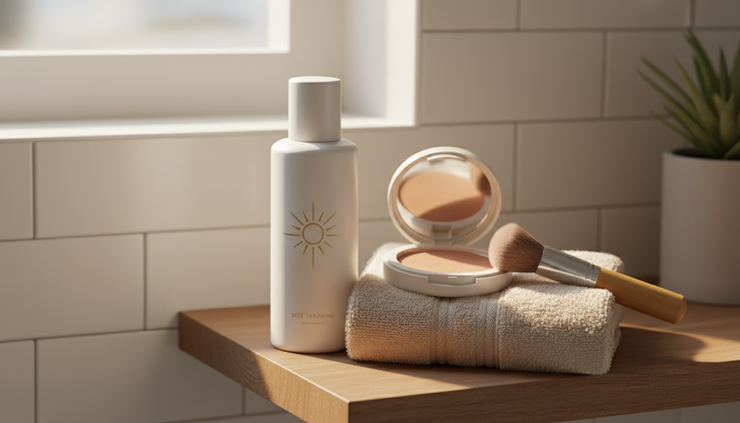
Keep your glow looking even with what you wear
Clothes and color can make a tan look richer, even as it fades. Light neutrals, white, cream, coral, turquoise, soft pink, olive, and gold-toned accessories tend to make sun-kissed skin stand out.
Hydrated skin helps too. A little body lotion or dry oil on your legs, shoulders, and arms can catch the light and make your tan look smoother. Just go easy, since too much shine can feel sticky in warm weather.
If you’re already thinking about what to wear with your post-beach glow, take a look at these easy summer wardrobe styling tricks. The right outfit can make your tan look fresh even when it’s starting to soften.
Make your tan last longer
You don’t need a shelf full of products to make your tan last. You need a rhythm you’ll actually stick with.
Here’s an easy routine:
After sun
Rinse off salt, sand, sweat, or chlorine. Pat dry. Apply a soothing moisturizer or after-sun product.
Morning
Apply body lotion if your skin feels dry. Use sunscreen if you’ll be outside. Add a little bronzer or tint if your face needs warmth.
Night
Moisturize again, especially on areas that flake. Drink water. Keep showers lukewarm.
Once a week
Gently exfoliate, then moisturize well. Skip exfoliation if your skin is irritated, burned, or peeling.
That’s really the whole formula. Hydrate, protect, smooth, and refresh when needed.
Your tan will fade eventually, because that’s how skin works. But if you keep your skin moisturized, treat it gently, eat well, and use sunless color when you need a boost, that bronzed vacation glow can hang around much longer.


Comments