Asparagus The Queen of Detox with 20 Calories and Powerful Health Benefits
- Kristina TOSEVSKA

- Apr 24
- 3 min read
Asparagus may look simple, but it carries a reputation that dates back centuries. Known as the "queen of detox," this spring vegetable offers more than just a low-calorie option for your meals. With only 20 calories per 100 grams, asparagus supports your body’s natural cleansing processes, helping to flush out toxins and excess water. Its unique combination of nutrients and compounds makes it a valuable addition to any diet, especially for those seeking to improve digestion and overall health.
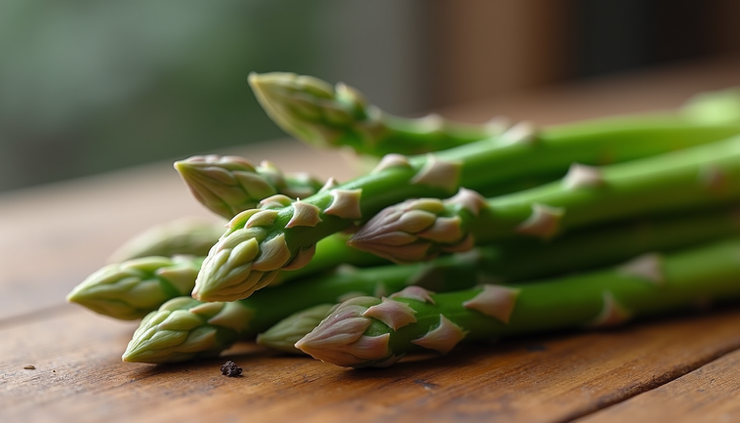
Why Asparagus Is Called the Queen of Detox
Asparagus earned its detox title because of its strong diuretic properties. It encourages the kidneys to work more efficiently, helping the body eliminate excess fluids and harmful substances. This effect comes from a compound called asparagine, which speeds up the removal of waste products. When your body sheds extra water and toxins, you may notice less bloating and a lighter feeling overall.
Besides its diuretic action, asparagus supports the liver, a key organ in detoxification. It stimulates enzymes that break down toxins, making it easier for your body to cleanse itself naturally. This is why nutrition experts often suggest including asparagus in meals after periods of heavy or fatty eating.
How Asparagus Supports Digestive Health
Digestive health plays a crucial role in detoxification, and asparagus contributes significantly here. It is rich in dietary fiber, which helps regulate bowel movements and maintain a healthy balance of gut bacteria. A well-functioning digestive system removes waste efficiently, preventing toxin buildup.
Regular asparagus consumption can:
Promote regular digestion
Cleanse the intestines
Support healthy intestinal flora
These benefits make asparagus a natural choice for those wanting to improve their gut health and overall detox process.
Nutritional Profile and Low-Calorie Advantage
One of the most appealing features of asparagus is its low calorie count combined with high nutrient density. With just 20 calories per 100 grams, it fits perfectly into weight management and detox diets. Despite being low in calories, asparagus provides:
Vitamins A, C, E, and K
Folate
Minerals like iron, calcium, and potassium
Antioxidants that protect cells from damage
This nutrient-rich profile helps support your immune system and overall wellness while keeping calorie intake low.
Practical Ways to Include Asparagus in Your Diet
Adding asparagus to your meals is simple and versatile. Here are some practical ideas:
Steamed or boiled as a side dish with a squeeze of lemon
Grilled with olive oil and herbs for a smoky flavor
Blended into smoothies for a nutrient boost
Added to salads for crunch and freshness
Included in soups or stir-fries for extra fiber and vitamins
Try to choose fresh, firm asparagus spears for the best taste and nutritional value.
Who Can Benefit Most from Eating Asparagus?
Asparagus suits a wide range of people, especially those who want to:
Reduce bloating and water retention
Support kidney and liver function
Improve digestion and gut health
Maintain a low-calorie diet without sacrificing nutrients
People recovering from heavy meals or those on detox plans will find asparagus particularly helpful. It also fits well into vegetarian, vegan, and gluten-free diets.
Summary of Key Benefits
Strong diuretic effect helps remove excess water and toxins
Rich in fiber for digestive regulation and intestinal cleansing
Supports liver enzymes involved in detoxification
Low in calories but high in essential vitamins and minerals
Versatile and easy to add to many dishes
Including asparagus regularly can support your body’s natural detox processes and contribute to feeling lighter and healthier.


Comments