Privacy as Power Why Boundaries and Silence Matter in the Digital Age

Sharing has become the default setting. New job? Post it. Bad day? Post it. Dinner that looks like it was plated by a tiny Michelin-starred raccoon? Absolutely post it.
There’s nothing wrong with sharing. Connection is human. But when every thought, plan, argument, soft launch, hard launch, outfit, opinion, and emotional weather report becomes public property, privacy starts to look less like secrecy and more like self-respect.
Privacy is power because it lets you decide what becomes part of the story people tell about you. It gives you space to grow without an audience taking notes. It protects your peace when the internet is doing what it does best, making bold conclusions with the confidence of a raccoon in a trash can.

Privacy gives you control over your own story
People love filling in blanks. Give them one snapshot, and they’ll build a whole Netflix limited series around it.
That’s one reason privacy matters so much. When you reveal less, you reduce the number of loose puzzle pieces people can arrange into the wrong picture. A vague post about being “done with fake people” can turn into a group chat courtroom. A photo from one event can become “They’re always out.” A career update can become “They think they’re better than everyone now.”
Privacy lets you keep the editing rights.
Your life is not a live feed people are entitled to refresh. You get to decide:
What people know
When they know it
How much context they receive
Whether they get access at all
That last one is spicy, but true. Access is not automatic. Even people who care about you don’t need the full director’s cut of your inner life.
This doesn’t mean becoming mysterious in a dramatic trench coat way, although if that’s your thing, carry on. It means understanding that your personal narrative belongs to you first.
Boundaries protect you from quick judgment
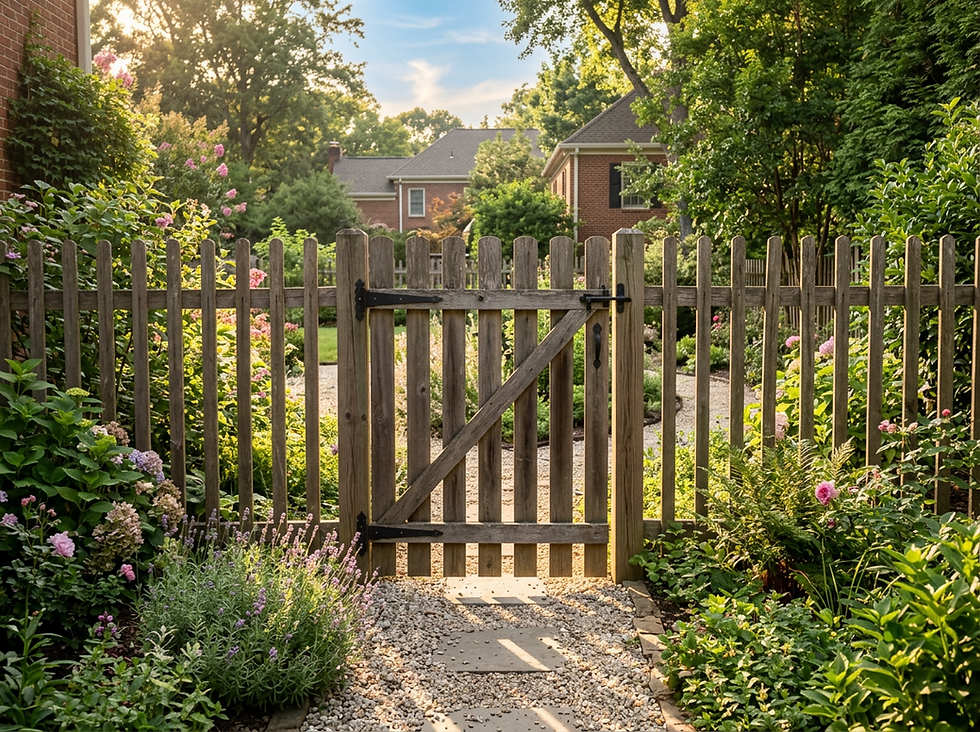
Boundaries are often treated like walls, but they’re more like screen doors. They let air in while keeping mosquitoes out. And yes, in this metaphor, mosquitoes are unsolicited opinions.
When you share everything, people often judge the fragment instead of understanding the full situation. They see the promotion, not the years of quiet effort. They see the breakup, not the private grief. They see the vacation, not the burnout that made rest necessary.
Context matters, but public platforms are terrible at context. They flatten complex lives into captions, comments, and tiny rectangles.

Healthy boundaries help prevent misinterpretation because they limit what can be pulled out of shape. They also save you from performing explanations for people who were never truly listening.
A few useful boundaries might sound like this:
“I’m not sharing details yet.”
“I’d rather keep that part private.”
“I’m still processing it.”
“That’s something I’m handling offline.”
“I’ll talk about it when I’m ready.”
Short. Calm. No courtroom defense required.
The most freeing part? You don’t have to make your privacy sound cute, wise, or emotionally mature enough to be approved. “No” is a complete sentence. “Not right now” is its slightly more polite cousin.
Privacy builds mystique and self-worth
Mystique gets a bad reputation because it sounds like something a magician would say before pulling a dove out of a hat. But in real life, mystique is simple. It’s the quiet confidence of not needing to be fully seen by everyone all the time.
When you keep some things private, you remind yourself that your value does not depend on constant visibility.
That matters in a culture where attention can feel like proof of worth. Likes, views, comments, reactions, read receipts, tiny digital applause buttons everywhere. It’s easy to start thinking, “If people didn’t respond, did it even matter?”
Yes. It mattered because your life is real before anyone reacts to it.
Privacy helps you practice internal validation. You can enjoy a beautiful moment without turning it into content. You can reach a goal without announcing it immediately. You can heal without posting cryptic quotes over a sunset. No shade to sunset quotes, they’ve carried many of us through suspicious emotional eras.
But there’s strength in letting things exist without public confirmation.
A private win still counts. A private relationship can still be meaningful. A private decision can still be powerful. Some parts of life bloom better away from the noise.

Silence can be a strategy, not a weakness
Silence is underrated. People often mistake it for having nothing to say, when sometimes it means you’re smart enough not to donate your energy to the chaos fund.
Not every accusation needs a response. Not every misunderstanding needs a press conference. Not every opinion deserves a front-row seat in your nervous system.
Strategic silence protects three precious things:
Your energy
Your peace of mind
Your ability to move without interference
There’s a reason people say, “Move in silence.” It’s not because secrecy is always noble. It’s because ideas are fragile when they’re new. Plans can get crowded with other people’s fear, envy, projection, or “helpful” advice that feels like being hit with a wet sock.
Silence gives your thoughts time to become sturdy.
In personal life, silence can keep you from escalating conflicts or explaining yourself to people committed to misunderstanding you. In professional life, it can help you avoid oversharing before plans are ready, reacting emotionally in writing, or giving away too much too soon.
The pause is powerful. It turns reaction into choice.
Your privacy habits deserve a checkup
Privacy isn’t all-or-nothing. You don’t have to delete every app, move to a cabin, and communicate only through carrier pigeon named Gerald. Though Gerald does sound reliable.
The better question is: Does your current level of sharing support the life you want?
Try reflecting on a few areas.
Personal life
What do you share automatically that you might prefer to keep sacred? Relationships, family conflict, health details, faith, money, grief, joy, future plans?
Digital life
Who can see your posts? Who has access to your location, photos, tagged content, or old updates from versions of you that no longer exist?
Professional life
Do you share frustrations online that could be taken out of context? Do you reveal plans too early? Do you feel pressure to be visible just to seem valuable?
Emotional life
Are you posting to express yourself, or to get reassurance? Are you sharing because you want connection, or because silence feels uncomfortable?
No judgment. Everyone has typed something dramatic and hovered over “post” like it was a red button in a submarine. The point is awareness.

Privacy is not about hiding who you are. It’s about choosing where your full self is safe to land.
In a world that rewards instant disclosure, holding something back can feel almost rebellious. Good. Let it be. Keep a few dreams off the timeline. Let some joys remain uncaptioned. Let your peace have a password.
Your life doesn’t need to be public to be meaningful. Sometimes the most powerful move is simply closing the door, taking a breath, and remembering that you’re allowed to belong to yourself.


Comments