The Benefits of Self-Body Massage for Mobility and Tension Relief in 2026
- Kristina TOSEVSKA

- Feb 3
- 4 min read
If you have been scrolling through wellness content recently, you might have noticed a growing focus on fascia and self-body massage techniques. Videos showing people massaging their necks, rolling their legs, or addressing myofascial issues have become common. This trend reflects a broader shift in wellness in 2026, where people seek holistic ways to improve not only symptoms but overall body function and well-being.
Understanding why fascia is gaining attention and how self-body massage can help improve mobility and reduce tension is essential for anyone interested in practical, effective wellness methods.
What Is Fascia and Why Does It Matter?
Fascia is a network of connective tissue that wraps around muscles, bones, organs, nerves, and blood vessels. Imagine the white threads inside an orange holding all the segments together—that’s similar to how fascia supports the body’s structure. Unlike muscles, fascia contains many nerve endings, which makes it closely linked to sensations of tension, pain, and even emotional states.
When fascia is healthy, flexible, and well-hydrated, it allows tissues to glide smoothly over each other. This smooth movement supports good posture, flexibility, and overall body function. On the other hand, tight or dehydrated fascia can cause stiffness, restricted movement, and discomfort that muscles alone cannot explain.
In 2026, wellness experts emphasize fascia care as a way to connect physical health with mental balance and chronic tension prevention. This approach fits well with the growing interest in mind-body wellness.
How Self-Body Massage Supports Fascia Health
Self-body massage involves using your hands, foam rollers, or massage balls to apply pressure and movement to muscles and fascia. This practice can be done anywhere, anytime, making it an accessible tool for improving mobility and reducing tension.
Benefits of Self-Body Massage for Mobility
Improves tissue flexibility
Applying pressure helps break down adhesions and knots in the fascia, allowing muscles and connective tissue to move more freely.
Enhances blood flow
Massage stimulates circulation, which brings oxygen and nutrients to tissues and supports fascia hydration.
Supports better posture
By releasing tight fascia, self-massage can help correct imbalances that lead to poor posture and related discomfort.
Increases body awareness
Regular practice helps you tune into areas of tension or restriction, encouraging mindful movement and better alignment.
Benefits for Reducing Tension
Relieves muscle tightness
Targeting trigger points and tight spots reduces muscle stiffness and discomfort.
Calms the nervous system
Gentle massage can activate the parasympathetic nervous system, promoting relaxation and reducing stress-related tension.
Addresses emotional stress
Because fascia is linked to emotional states, releasing tension in this tissue can also help ease feelings of anxiety or stress.
Practical Tips for Effective Self-Body Massage
To get the most from self-body massage, keep these tips in mind:
Start gently
Begin with light pressure and gradually increase as your tissues adapt. Avoid causing sharp pain.
Focus on problem areas
Spend extra time on spots that feel tight or sore, but also massage surrounding areas to support overall tissue health.
Use tools wisely
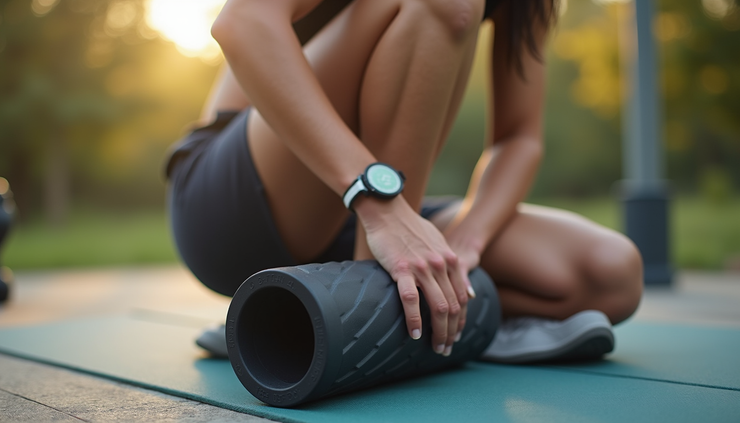
Foam rollers, massage balls, and handheld devices can help reach deeper layers of fascia. Choose tools that feel comfortable and effective for you.
Incorporate movement
Combine massage with gentle stretching or mobility exercises to enhance tissue flexibility and function.
Be consistent
Regular sessions, even just a few minutes daily, provide better results than occasional long sessions.
Why Self-Body Massage Fits the 2026 Wellness Approach
The wellness community in 2026 values methods that connect body and mind, promote long-term health, and empower individuals to take control of their well-being. Self-body massage aligns perfectly with these goals because it:
Encourages self-awareness and mindfulness
Supports holistic health by addressing physical and emotional tension
Is accessible and affordable for most people
Complements other wellness practices like yoga, pilates, and meditation
By integrating self-body massage into your routine, you build a stronger connection with your body and create a foundation for improved mobility and reduced tension.
Getting Started with Your Own Self-Body Massage Routine
If you want to try self-body massage, here’s a simple plan to begin:
Choose your tools
Start with your hands or a foam roller. Massage balls can be added later for targeted work.
Set aside time
Dedicate 5 to 10 minutes daily, ideally after exercise or before bed.
Learn basic techniques
Research or watch tutorials on rolling, kneading, and applying sustained pressure.
Listen to your body
Adjust pressure and duration based on comfort and response.
Combine with movement
Follow massage with gentle stretching or mobility exercises.
The Benefits of Self-Body Massage
In 2026, the importance of self-care has never been clearer, and self-body massage stands out as a simple yet powerful tool for enhancing mobility and alleviating tension. By integrating regular self-massage into your routine, you can support joint flexibility, improve circulation, and reduce the lingering aches that modern lifestyles often bring. Beyond the physical benefits, these moments of mindful touch offer a chance to connect with your body, release stress, and foster overall well-being. Whether you’re an athlete, a desk worker, or someone simply seeking relief from everyday tension, self-massage is an accessible practice that empowers you to take control of your own comfort and movement. Small, consistent efforts can lead to significant improvements, making this age-old technique a modern essential for staying active, relaxed, and balanced in 2026.


Comments