Upset Stomach Symptoms and the Gut-Brain Connection for Better Digestive Health
- Kristina TOSEVSKA

- Mar 21
- 3 min read
An upset stomach is a common experience that can disrupt daily life and cause discomfort. Many people associate it with eating something wrong or a minor illness, but the causes and effects often run deeper. This blog post explores what an upset stomach really means, how it connects to our emotions and brain, and practical ways to manage symptoms for better digestive health.
What Is an Upset Stomach?
An upset stomach refers to a range of digestive discomforts that affect the stomach and sometimes the intestines. It is not a specific diagnosis but a general term for symptoms that indicate the digestive system is not functioning smoothly.
Common Symptoms
Nausea or feeling like you might vomit
Bloating or a feeling of fullness
Stomach cramps or pain
Indigestion or heartburn
Diarrhea or loose stools
Loss of appetite
These symptoms can appear suddenly or develop gradually. While occasional upset stomachs are normal, frequent or severe symptoms may signal an underlying issue.
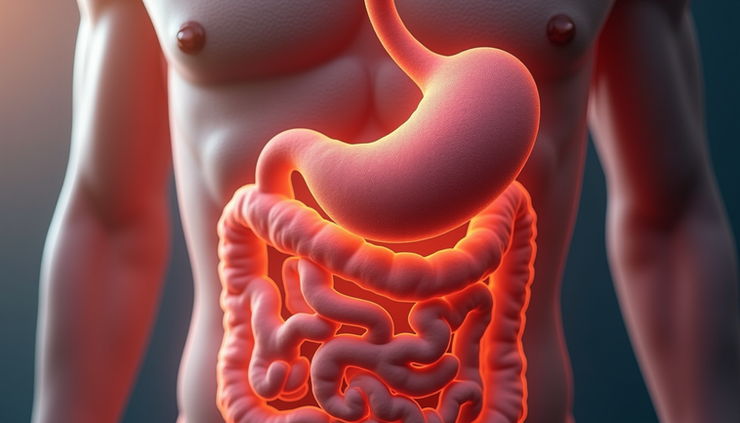
How Stress and Emotional Tension Affect the Stomach
Many people notice their stomach feels worse during stressful times. This is because the digestive system is closely linked to the brain through what is called the gut-brain axis. Stress and emotional tension can trigger or worsen stomach discomfort.
When you feel stressed, your body releases hormones like cortisol and adrenaline. These hormones can:
Slow down digestion
Increase stomach acid production
Cause muscle tension in the gut
Alter gut bacteria balance
This reaction can lead to symptoms such as nausea, cramps, or diarrhea. People with anxiety or chronic stress often report more frequent upset stomachs.
The Gut-Brain Axis and Digestive Health
The gut-brain axis is a communication network between the brain and the digestive system. It involves nerves, hormones, and immune signals that constantly send messages back and forth.
Why It Matters
The brain influences gut function, including movement and secretion of digestive juices.
The gut sends signals to the brain about hunger, pain, and mood.
Gut bacteria play a role in this communication, affecting both digestion and mental health.
Research shows that a healthy gut-brain connection supports better digestion and emotional balance. Disruptions in this axis can contribute to digestive disorders like irritable bowel syndrome (IBS).
Common Causes of an Upset Stomach
Understanding what triggers an upset stomach can help you avoid or manage symptoms better.
Stress and Anxiety
Emotional stress can cause or worsen digestive symptoms.
Anxiety may increase gut sensitivity, making normal digestion feel uncomfortable.
Dietary Habits
Irregular meals: Skipping meals or eating at inconsistent times can upset digestion.
Food intolerances: Some people react to lactose, gluten, or other foods, causing bloating, cramps, or diarrhea.
Overeating or eating too quickly: This can overwhelm the stomach and slow digestion.
High-fat or spicy foods: These may irritate the stomach lining.
Other Factors
Infections, medications, or underlying medical conditions can also cause stomach upset. If symptoms persist, consult a healthcare professional.
Practical Tips for Managing Symptoms and Improving Digestive Health
Taking care of your digestive system involves both lifestyle changes and mindful habits. Here are some effective strategies:
Manage Stress
Practice relaxation techniques such as deep breathing, meditation, or yoga.
Regular physical activity helps reduce stress hormones.
Ensure enough sleep to support overall health.
Improve Eating Habits
Eat meals at regular times each day to regulate digestion.
Chew food slowly and avoid rushing through meals.
Identify and avoid foods that trigger symptoms. Keeping a food diary can help.
Include fiber-rich foods like fruits, vegetables, and whole grains to support digestion.
Stay Hydrated
Drink plenty of water throughout the day.
Limit caffeine and alcohol, which can irritate the stomach.
Support Gut Health
Consider probiotics after consulting a healthcare provider to balance gut bacteria.
Avoid unnecessary use of antibiotics or medications that harm gut flora.
When to Seek Medical Advice
If symptoms last more than a few days or worsen.
If you experience severe pain, blood in stools, or unexplained weight loss.


Comments