Beat the Heat: Effective Strategies for Overcoming Summer Insomnia
- Kristina TOSEVSKA

- Jun 22
- 3 min read
Summer nights can bring more than just warm breezes and longer days. For many, the season also means restless nights and difficulty falling asleep. Summer insomnia often results from high temperatures, extended daylight hours, and changes in daily routines. When your bedroom feels like a sauna and your mind races under the bright evening sky, getting a good night’s rest can seem impossible. Fortunately, there are practical ways to cool down your environment and relax your body to enjoy restful sleep even in the heat.
Keep Your Bedroom Cool
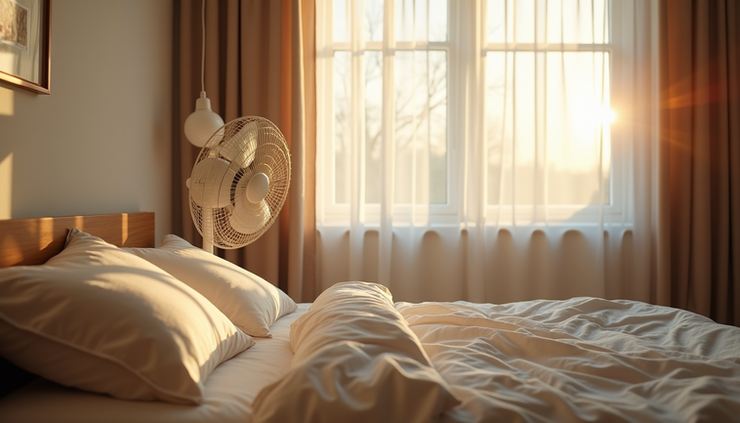
Temperature plays a major role in how well you sleep. The ideal bedroom temperature for sleep is generally between 60 and 67 degrees Fahrenheit (15 to 19 degrees Celsius). During summer, this can be hard to achieve without air conditioning. If you don’t have AC, a fan can make a big difference. Position the fan to circulate air around the room or directly toward your bed.
For an extra cooling effect, place a bowl of ice or a frozen water bottle in front of the fan. As the ice melts, the fan will blow cooler air, helping to lower the room temperature. Closing blinds and curtains during the hottest part of the day also prevents heat from building up indoors, keeping your room cooler by evening.
Choose Breathable Bedding
The materials you sleep on affect how hot or cool you feel at night. Synthetic fabrics tend to trap heat and moisture, making you sweat. Instead, opt for natural fibers like cotton or linen. These materials allow your skin to breathe and wick away moisture, keeping you cooler and more comfortable.
Make sure your sheets are clean and fresh, as sweat and oils can build up and reduce breathability. Lightweight blankets or a thin cotton sheet usually work best for summer nights. Avoid heavy comforters or flannel sheets that hold heat.
Take a Cool Shower Before Bed
Lowering your body temperature before sleep helps signal to your brain that it’s time to rest. A lukewarm or cool shower about 30 minutes before bedtime can reduce your core temperature and make falling asleep easier. Avoid hot showers, which can raise your body temperature and make you feel warmer.
After your shower, wear loose, breathable clothing to bed. Tight or heavy pajamas can trap heat and disrupt your comfort.
Stay Hydrated, But Time It Right
Drinking plenty of water during the day is important to prevent dehydration, especially in hot weather. However, avoid drinking large amounts right before bed. Waking up in the middle of the night to use the bathroom can interrupt your sleep cycle and make it harder to fall back asleep.
Try to finish your last glass of water at least an hour before bedtime. If you feel thirsty during the night, take small sips rather than large gulps.
Practice Gentle Relaxation Instead of Screens
The longer daylight hours and warm evenings can disrupt your usual sleep routine. Many people turn to their phones or TVs to unwind, but screens emit blue light that interferes with melatonin production, the hormone that regulates sleep.
Instead, try gentle relaxation techniques such as reading a book, listening to calming music, or practicing deep breathing exercises. These activities help your mind wind down without stimulating it. Creating a consistent bedtime routine signals your body that it’s time to sleep, even when the sun sets late.
Manage Your Evening Meals
Heavy meals close to bedtime can cause discomfort and indigestion, making it harder to fall asleep. In summer, when the heat already challenges your body, eating large or spicy meals late at night can worsen insomnia.
Aim to have your last meal at least two to three hours before going to bed. Choose lighter options like salads, grilled vegetables, or lean proteins. Avoid caffeine and alcohol in the evening, as both can disrupt sleep quality.
Overcoming Summer Insomnia
Beat the heat starts with calming your body and mind before bed. Keep your room cool and dark, hydrate earlier in the day, and skip heavy meals, alcohol, and late caffeine. Trade scrolling for a wind-down ritual: a lukewarm shower, light stretching, slow breathing, or a few quiet pages. If your thoughts race, write them down and let tomorrow hold them. Consistent sleep and wake times train your rhythm, even on weekends. Summer nights can feel endless, but rest is still possible, one small steady habit at a time. Sleep is recovery, not a reward.


Comments