The Pros and Cons of Embracing the Digital Nomad Lifestyle

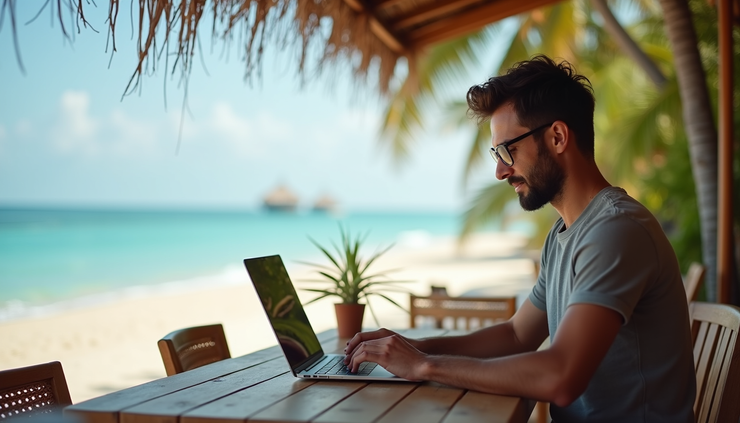
While scrolling through social media, I stumbled into the magical world of digital nomads. There they were, typing furiously on laptops from tropical beaches, sipping coconut drinks, and somehow looking productive while watching sunsets. It seemed like they had cracked the secret code to life.
I imagined myself joining their tribe. My mornings would start with work, followed by surfing lessons, street food adventures, and wandering through colorful markets. No boss hovering nearby, no rush-hour traffic, just freedom and endless excitement.
But then reality quietly tapped me on the shoulder. Working from paradise still means working. The beach has sand that somehow ends up inside your laptop, Wi-Fi can disappear at the worst possible moment, and finding a quiet place for meetings is not always easy when a rooster or street musician decides to join the conversation.
The digital nomad lifestyle offers flexibility, adventure, and unforgettable experiences, but it also comes with challenges. The big question remains: is the freedom worth the occasional chaos?
Advantages of the Digital Nomad Lifestyle
Travel Becomes Everyday Life
For most people, travel is a special event saved for holidays or vacations. Digital nomads, on the other hand, get to explore new places regularly. Instead of rushing through tourist spots in a few days, they can spend weeks or months immersing themselves in local culture. This deeper experience allows them to understand the traditions, language, and lifestyle of the places they visit.
For example, a digital nomad living in Chiang Mai, Thailand, might spend months learning about Thai cuisine, attending local festivals, and making friends with residents. This kind of experience is impossible during a short vacation.
Flexibility in Work and Life
One of the biggest draws of this lifestyle is the ability to set your own schedule. Without the need to be in a specific office or time zone, digital nomads can work when they feel most productive. This flexibility means they can attend personal appointments, explore new cities during the day, or take breaks when needed.
For instance, a freelance graphic designer might choose to work early mornings and late evenings, freeing up afternoons for sightseeing or social activities. This control over time can improve work-life balance and reduce stress.
Expanding Horizons and Perspectives
Living in new environments sharpens the senses. Digital nomads often find themselves more aware of their surroundings, noticing details they would miss at home. New tastes, sounds, and sights inspire creativity and encourage trying new things.
This exposure can lead to personal growth. For example, trying unfamiliar foods or learning a new language can change how a person views the world and their own habits. It can also inspire new ideas in their work or hobbies.
Building a Global Network
When living in one place, it’s easy to postpone social plans or stick to the same group of friends. Digital nomads, however, often feel the need to connect quickly with new people. This urgency helps them build a diverse network of acquaintances and friends from different cultures.
Joining coworking spaces, attending meetups, or participating in local events helps digital nomads find communities wherever they go. This social aspect can be rewarding and prevent feelings of loneliness.
Disadvantages of the Digital Nomad Lifestyle
Unstable Income and Work Challenges
Many digital nomads rely on freelance work, remote jobs, or online businesses. This can mean irregular income and uncertainty about the future. Finding consistent work while traveling can be difficult, especially in competitive fields.
For example, a writer might face dry spells without projects or clients, making it hard to cover living expenses in expensive cities. This financial instability requires careful planning and saving.
Loneliness and Lack of Routine
Moving frequently means leaving behind friends and familiar places. Even with new connections, digital nomads can feel isolated. The lack of a stable home base can make it hard to build deep relationships.
Additionally, constantly changing environments can disrupt routines. Without a regular schedule, some people struggle to stay productive or maintain healthy habits like exercise and sleep.
Practical Issues with Travel and Living
Living as a digital nomad involves constant planning and adapting. Finding reliable internet, suitable accommodation, and safe places to work can be a challenge. Visa restrictions, language barriers, and cultural differences add complexity.
For example, a nomad in a country with limited internet access might struggle to complete work on time. Or they might face unexpected costs for visas or health insurance. These practical hurdles require flexibility and problem-solving skills.
Impact on Health and Well-being
Traveling frequently and working remotely can affect physical and mental health. Irregular schedules, jet lag, and changing diets can lead to fatigue or stress. Without a stable support system, mental health issues may arise.
Digital nomads need to prioritize self-care, including regular exercise, healthy eating, and social interaction. Ignoring these needs can lead to burnout or loneliness.
Is the Digital Nomad Lifestyle Right for You?
The digital nomad lifestyle offers exciting opportunities but also significant challenges. It suits people who value freedom, adventure, and flexibility, and who can handle uncertainty and change. Success depends on personal preferences, work type, and ability to adapt.
If you dream of working from a beach or exploring new cultures regularly, start by testing the waters. Try a short-term remote work trip or a few weeks in a new city. This experience can help you understand what works and what doesn’t.
Remember, this lifestyle is not about escaping responsibilities but about finding a balance that fits your goals and values.


Comments