When Laughter Strips Away Civilization The Human Ego Revealed

A laugh can be a campfire. Warm, shared, human. It can also be a trapdoor, and suddenly the polished citizen in the room drops straight into something older, louder, and a lot less house-trained.
That’s the weird duality of laughter. At its best, it connects us. At its worst, it exposes us. One minute we’re nodding politely, using napkins, pretending the cheese plate is not the main event. The next, someone slips, stumbles, says the wrong thing, and the room erupts like a pack of delighted goblins.
Laughter is not always joy. Sometimes it’s release. Sometimes it’s cruelty wearing a party hat. Sometimes it’s the ego kicking off its shoes and dancing on the table.

Laughter can loosen the civilized mask
Civilization asks a lot of us. Don’t shout in the grocery store. Don’t point at strangers. Don’t say the first thing your brain cooks up, especially before coffee. We build manners, laws, rituals, apologies, and salad forks to keep the human animal reasonably presentable.
Then comes uproarious laughter.
Big laughter is physical. It bends the body, opens the mouth, reddens the face, shakes the shoulders, and makes people snort like an old lawn mower starting up in April. It bypasses the polished front desk of the mind and heads straight for the basement.
That’s part of its beauty. A full laugh can be wonderfully honest. It says, “For one second, I forgot to manage myself.” Friends laughing until they can’t breathe are not performing civilization. They’re resting from it.
But that same loss of control can turn ugly. The crowd laugh, the pointed laugh, the laugh that grows because someone else is shrinking, these are different creatures. They don’t just loosen the civilized mask. They peel it off and toss it into traffic.
When people laugh together at someone, especially someone vulnerable, they may feel bonded. But the bond comes from exclusion. The group says, without words, we are inside, they are outside. That kind of laughter is ancient, tribal, and not nearly as cute as it thinks it is.
Animals act on instinct, not insult
It’s tempting to compare humans in these moments to animals. We say someone “laughed like a hyena” or “acted like an ape,” usually insulting both the person and the animal. Honestly, animals should file a complaint.
Animals act from instinct, need, fear, play, hunger, territory, mating, and survival. A cat knocking a glass off the counter may look like a tiny villain in fur pajamas, but it isn’t plotting moral humiliation. A wolf doesn’t bring sarcasm to a hunt. A crow may be clever enough to remember faces, but it isn’t laughing because your haircut lost a fight with humidity.
That distinction matters.
Animals can be fierce, messy, loud, and startling. But malice requires a kind of self-awareness. Vulgarity, in the human sense, requires symbolic meaning. Mockery requires someone to understand another being’s shame and then choose to poke it with a stick.
That’s our department. Lucky us.
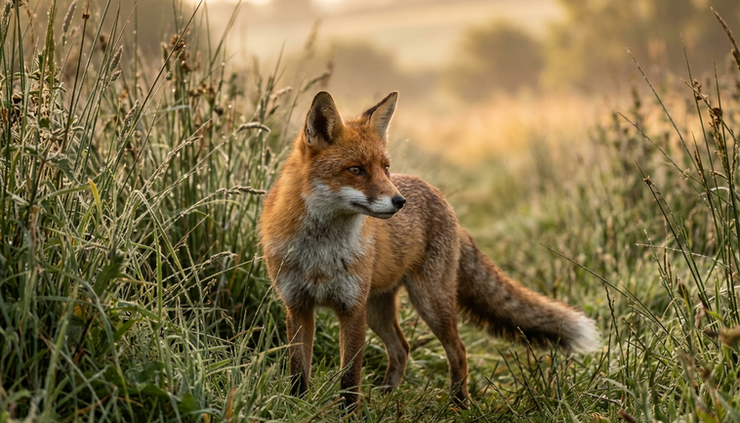
This doesn’t make animals morally superior in some cartoon halo way. Nature is not a tea party. But animals don’t add contempt to instinct. Humans do. We can take a basic reaction and season it with ego, judgment, status, and an unnecessary little garnish of smugness.
Basically, humanity invented the emotional equivalent of extra cheese.
Mocking laughter belongs to the ego, not joy
Joyful laughter opens the room. Mocking laughter closes it.
You can feel the difference. Joyful laughter invites. It says, “Come here, this is funny.” Mocking laughter ranks. It says, “Look down there, that is funny.” One builds a bridge, the other builds stadium seating.
Mocking laughter often appears when the ego finds a snack. Someone mispronounces a word. Someone’s clothes seem out of place. Someone’s emotion spills over in public. Someone fails. The ego sees a chance to rise by comparison.
It’s a cheap elevator.
For a moment, the laugher feels taller. Smarter. Safer. Less awkward than the awkward person. Less exposed than the exposed person. But the feeling is borrowed, and the interest rate is brutal. The more a person needs to mock, the more they reveal their own hunger for dominance.
That’s why mocking laughter can feel so vulgar. Not because laughter itself is vulgar, but because the motive has gone sour. The sound may be laughter, but the engine is pride.
A laugh aimed at another person’s dignity is not harmless. It is a tiny social verdict with teeth.
Of course, not every joke at someone’s expense is cruelty. Friends tease. Families roast each other. Good comedy often plays with embarrassment, weakness, and absurdity. The difference is consent, affection, and proportion. If everyone gets to remain fully human afterward, the joke can survive inspection.
If someone has to disappear emotionally for the laugh to work, the laugh has taken a wrong turn.

The crowd makes laughter louder and judgment weaker
People behave differently in groups. This is not breaking news to anyone who has attended a middle school lunch period or a bachelor party with poor supervision.
A crowd can make laughter contagious before conscience has time to put on pants. One person laughs, then another, then everyone joins because joining feels safer than pausing. The group becomes a machine, and the machine runs on rhythm.
That’s when restraint matters most.
Restraint gets a bad reputation, as if it means being stiff, joyless, and allergic to fun. But restraint is not the enemy of laughter. It’s the steering wheel. Without it, laughter can drive straight into someone’s ribs and then claim it was “just kidding.”
Empathy slows the moment down. It asks simple questions:
Is this person laughing too?
Am I enjoying humor or enjoying power?
Would this still feel funny if I were the target?
Is the joke punching at ego, or punching at dignity?
These questions don’t kill comedy. They rescue it from becoming target practice.

Grace keeps laughter human
Laughter reveals us because it arrives before we’ve edited ourselves. That’s why it’s so honest, and why it deserves care. The laugh that bursts out of delight can remind us we’re alive. The laugh that bursts out of contempt can remind us we’re still carrying something primitive under the jacket.
The goal is not to become humorless. Nobody wants a world where every joke is treated like a tax audit. Laughter is one of the great pleasures of being human. It helps us survive grief, embarrassment, boredom, and family game night.
But laughter needs grace.
Grace means noticing when someone is exposed and choosing not to feast on it. Empathy means remembering that every person has soft spots, even the loud ones. Restraint means letting the first animal impulse pass through without handing it a microphone.
We can laugh with wildness and still keep our humanity intact. We can be playful without being cruel. We can enjoy the absurdity of life without turning someone else into the punchline.
The best laughter doesn’t strip civilization away. It lets civilization breathe.



Comments