Why Quick Fixes Fail and How Gradual Change Builds a Better Future

It’s easy to feel like life should change faster than it does.
You have one hard conversation and hope the relationship feels light again. You make a new work plan and expect motivation to show up every morning. You cut back on spending for a week and want your money stress to disappear.
Then real life answers back, usually slower than we’d like.
That gap between effort and results can feel discouraging. It can make us wonder if we’re doing something wrong, or if change is only possible for people with more discipline, more support, or better luck. But most meaningful change doesn’t arrive like a rescue. It builds quietly through choices repeated over time.

The appeal of the quick fix is understandable
Quick fixes are tempting because they promise relief right now.
When something hurts, patience can feel unfair. If a relationship has been tense for months, who wouldn’t want one perfect apology to reset everything? If work feels draining, who wouldn’t want one productivity method to create instant focus? If finances feel tight, who wouldn’t want one bold decision to erase years of stress?
The desire for immediate change isn’t shallow. It often comes from exhaustion.
When you’ve been carrying worry for a long time, the idea of a clean break feels comforting. A fresh start can look like proof that things are finally different. The problem comes when we expect a fresh start to do what only steady follow-through can do.
A decision can open the door. It usually can’t rebuild the whole house.
Long-term habits shape where we are now
Our current situations rarely come from one choice. They’re usually the result of many small choices, patterns, delays, fears, and routines stacked together.
In relationships, distance can grow through repeated moments of not listening, avoiding difficult topics, or assuming the other person knows what we need. No single moment may seem serious. Over time, though, trust can thin out.
At work, burnout or frustration can build through months of saying yes too often, not asking for help, skipping rest, or staying in a role that no longer fits. One rough week might not change everything, but many rough weeks can reshape how you feel about your abilities and your future.
With money, stress can come from regular spending choices, unexpected bills, old debt, low savings, or habits learned years ago. A few dollars here and there might not seem like much. Repeated over months, those choices can affect what options are available later.
This isn’t about blame. It’s about seeing the pattern clearly.
If many small actions helped create a situation, many small actions can help change it too.

Relationships heal through repeated trust
A relationship rarely changes because of one dramatic talk.
A heartfelt apology matters. A clear boundary matters. A promise to do better matters. But the real repair happens afterward, in the smaller moments.
It happens when someone listens without preparing a defense. It happens when plans are followed through. It happens when hard topics are brought up gently instead of buried. It happens when both people learn to pause before repeating the same old argument.
That kind of change can feel slow because trust keeps a long memory. If someone has felt dismissed for years, one good week may not feel safe yet. If conflict has always turned sharp, one calm conversation may feel unfamiliar.
Slow progress doesn’t mean nothing is working. Sometimes it means the relationship is learning a new rhythm.
Realistic expectations help here. Instead of asking, “Why isn’t everything fixed yet?” try asking, “What small sign of repair can we practice today?”
Work changes through systems, not sudden motivation
Work problems often make people search for a new burst of energy.
Maybe it’s a new routine, a fresh planner, a new schedule, or a promise to wake up earlier. Those things can help, but motivation alone is unpredictable. It comes and goes.
A better path is to build simple systems that make better choices easier.
That might mean:
Setting clearer limits around availability
Breaking large tasks into smaller steps
Asking for feedback before a problem grows
Protecting time for real rest
Paying attention to what drains energy and what restores it
None of these changes feels magical. That’s partly why they work. They don’t depend on a perfect mood.
For example, someone who feels behind at work may not need a total personality change. They may need a better way to start projects earlier, a clearer daily priority, or fewer commitments packed into one week. Over time, those small adjustments can reduce stress and rebuild confidence.

Finances improve through steady choices
Money is one area where quick fixes can feel especially tempting. When bills pile up or savings feel thin, it’s natural to want one big move to solve the pressure.
Sometimes a major change helps, like reducing a large expense or increasing income. But even then, lasting stability usually comes from repeatable habits.
Small financial changes may include:
Tracking where money actually goes
Building a simple spending plan
Making regular debt payments
Saving a small amount consistently
Waiting before making nonessential purchases
Progress may look boring at first. A small savings transfer might not feel meaningful. A slightly lower balance on a debt may not feel like freedom. But repeated choices create evidence. They show that change is happening, even if the full result hasn’t arrived yet.
This content is for general reflection only and isn’t financial advice. For personal financial decisions, it’s wise to speak with a qualified professional.
Patience doesn’t mean doing nothing
Patience gets misunderstood. It can sound like waiting around and hoping life improves on its own.
That’s not real patience.
Real patience is active. It means showing up while the results are still forming. It means letting progress be uneven without quitting at the first setback. It means choosing the next honest step instead of demanding a miracle.
A helpful way to stay grounded is to measure inputs before outcomes.
You can’t fully control when someone trusts you again. You can control whether you keep your word.
You can’t fully control when work feels easy. You can control whether you plan your week with care.
You can’t fully control how fast your finances recover. You can control whether you keep making steady choices.
Small wins count because they train the mind to believe change is possible.
FAQ
Why do quick fixes usually fail?
They often focus on relief instead of the deeper pattern. A quick fix may help for a moment, but lasting change usually needs repeated behavior, honest reflection, and time.
How do I stay patient when progress feels slow?
Look for signs of movement, not perfection. Track small actions, like better conversations, completed tasks, or consistent savings. Progress feels clearer when you can see proof.
Can one big decision ever change everything?
A big decision can start change, but it still needs follow-through. Leaving a harmful pattern, setting a boundary, or making a new plan matters most when daily choices support it.
What if I keep slipping back into old habits?
That’s common. Instead of treating a setback as failure, treat it as information. Ask what triggered the old pattern and what support or structure would help next time.
A better future is built in ordinary moments
If you’re drawn to deeper reflection on personal growth and inner change, you might appreciate this piece on inner exploration as a path toward self-understanding.
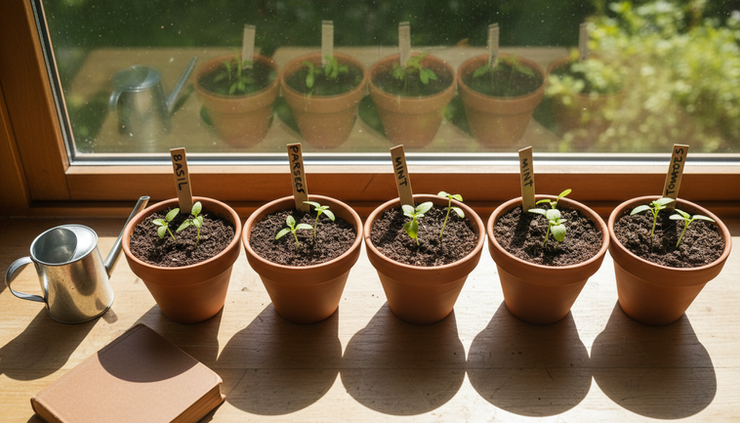
The better future you want probably won’t arrive all at once. It may come through one calmer conversation, one clearer boundary, one honest budget, one completed task, one choice not to give up.
That can feel small. But small isn’t weak.
Small is how trust returns. Small is how confidence rebuilds. Small is how stability grows.
Quick fixes promise escape from the process. Gradual change asks us to participate in it. And while that’s slower, it’s also more reliable. The life you’re trying to build doesn’t need a miracle as much as it needs steady care, realistic expectations, and the courage to keep going.


Comments